I’ve passed my driving test! Now what?
Congratulations! You’ve passed your test and mastered your knowledge of the road, so now it’s time to master the world of car ownership and insurance.

You’ve just passed your driving test and ditched the L plates. There are lots of bucket list things to tick off. The first one being a Big Mac in McDonald’s drive-thru (it always tastes better). But there are also some serious things to take care of once you become a qualified driver. We’re talking tax costs, vehicle maintenance and car insurance.
Sounds daunting, but honestly it’s not too bad. Plus the independence you’ll feel once you’ve got it all sorted is 100% worth it. Here are some things you should know to make the first few months of driving easier for you.
Do I need to wait for my full licence to arrive?
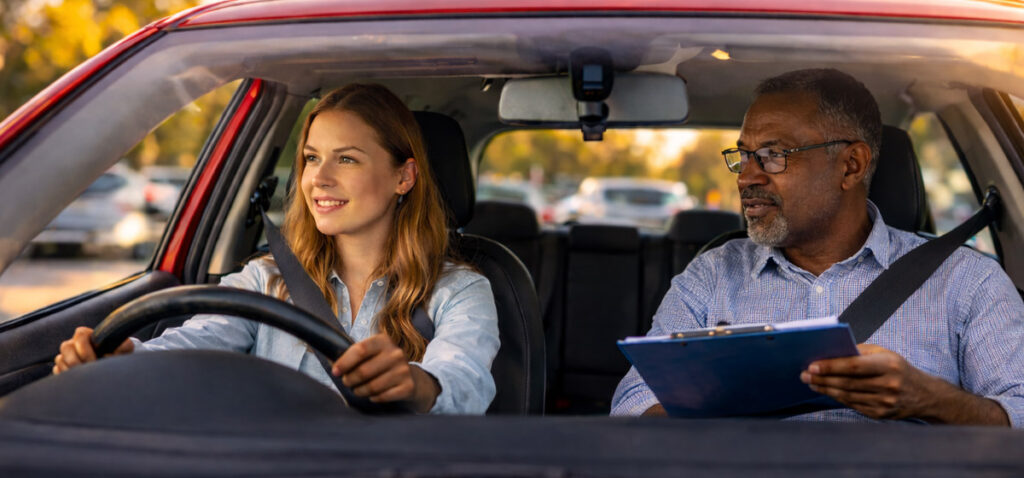
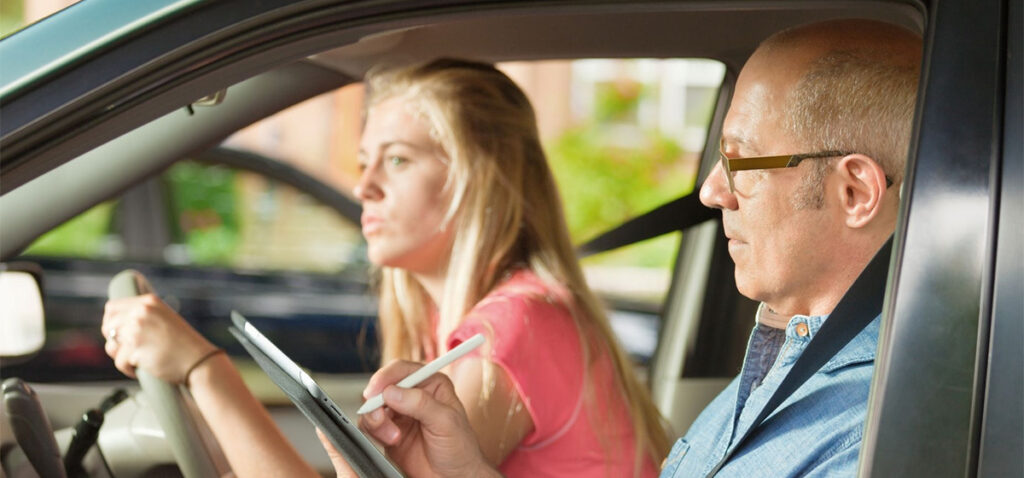
When you pass your practical test, the examiner will ask if you want your full licence sent to you automatically. If you do, you hand over your provisional driving licence. It could take up to 3 weeks for your shiny new licence to arrive. But the good news is that you don’t have to wait for it to arrive before you can drive.
You just need to make sure you’re insured, that your car is taxed and has an MOT. You can tax your car online through the DVLA website and pay for it annually or monthly.
If you were practising on learner driver insurance, check you have cover for driving on your full licence before you head out on your own. If you learned with Veygo, read our guide to upgrading your licence to see what’s next, or take a look at our temporary car insurance.
How to gain confidence driving?
Passed your driving test but don’t feel confident? It’s only natural to feel nervous when you start driving on your own. You’ve probably already heard that you don’t really learn to drive until you’ve passed your test. The more driving experience you gain, the more confident you’ll feel.
It’s a good idea to take someone with you on your first few journeys. But once you’re ready, get outside of your comfort zone. Hit the road on your own and drive in new areas. The more you practise, the more you’ll learn and the more confident you’ll feel. It may also be worth adding some P plates to your car. This lets other drivers know you’ve recently passed and could take the pressure off a bit. If nerves are holding you back, our guide to getting your driving confidence back could help.
A course may also be a good option to help build your driving confidence. One of the most popular options for new drivers is the Pass Plus scheme. It’s an official course of at least 6 hours with a qualified instructor. You’ll cover different topics and driving environments in each session. They’ll take you through the things you may not feel as confident in, such as rural roads or motorways. This is a nice way to gain exposure to different types of driving before attempting it solo.
Keep up the good habits from your lessons
A lot of time, effort and money goes into passing your test. But the skills you worked so hard on can slip quickly once there’s no instructor beside you. Keeping them sharp protects you, your passengers and everyone else on the road.
Mirrors and blind spots
Check your mirrors before any change of speed or direction, so you know what’s behind and alongside you. A cyclist coming up on your inside as you turn left is exactly the surprise you don’t need. And if someone is tailgating you into a junction, you may want to start slowing down a little sooner than normal.
Check your blind spots when changing lanes, merging, pulling away and reversing. You wouldn’t drive forwards while looking behind you, so don’t reverse without looking over your shoulder.
Signals
Signal in good time so other road users know what you’re about to do. It gives you a better chance of completing the move safely. It matters most for pedestrians, who are especially at risk from a car turning into a road without warning.
Speed and patience
A speed limit is a limit, not a target. Good drivers adjust their speed for the road, the weather and the traffic. Don’t jump lights, pull into gaps that are too small or overtake where it isn’t safe. Planning your route and leaving plenty of time means you’re less likely to rush because you’re running late.
Tiredness
The Highway Code says you should make sure you’re fit to drive and not start a journey if you’re tired. If you start to feel sleepy while you’re driving, find somewhere safe to stop and take a break.
Look after your licence
For the first 2 years after you pass your test, getting 6 or more penalty points means you’ll lose your licence. You’d have to apply for a new provisional licence and pass your theory and practical tests again. It doesn’t take much to get there:
- Using a hand-held phone while driving: a £200 fine and 6 points
- Speeding: at least a £100 fine and 3 points, so 2 speeding offences could cost you your licence
- Driving without insurance: 6 to 8 points
- Driving on a bald tyre: up to a £2,500 fine and 3 points per tyre
Put your phone away before you set off, and ask your passengers to keep the noise down while you’re driving. It’s also worth setting a reminder a month before your insurance is due to renew, so your cover never lapses.
Keep your car in good shape
As well as keeping your car taxed and MOT’d, check it regularly. The show me, tell me questions from your test are a good reminder of what to look at, and most good garages are happy to check your tyres and brakes if you’re unsure. Our car maintenance checklist takes you through the regular checks.
How to buy your first car?
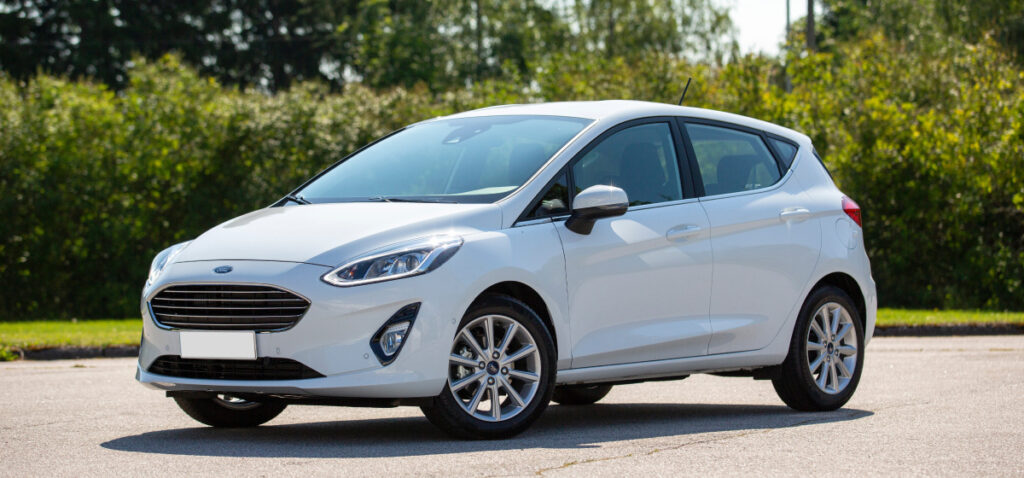
For many new drivers, particularly those of you living in rural areas or in places with rubbish public transport links, buying a car will be the first on your list once you’ve passed your test. So, what car should you go for?
There are so many things to consider: insurance group, road tax, fuel efficiency and engine size. We cover all of this in detail in our guide to choosing your first car.
Your next question is probably “where should I buy my car?” One option is to buy from a car dealership. This is probably your most expensive option, but it offers a bit more security. Just make sure you do your research and don’t be rushed into a sale.
It’s usually cheaper to buy privately, but you’re not likely to have benefits such as payment protection or warranty. It’s really important to do proper checks of the car before you buy. You may bag yourself a great bargain though.
Not sure whether to buy a car?
You’ve just passed your driving test and are wondering whether or not to buy a car. If you don’t need a car to get about on a day to day basis, it may not be worth buying one. Cars are expensive to buy and run so you’ve got to be sure it’s worth it.
If you can’t justify the cost of a car but the thought of not driving again is a massive downer, we’ve got good news for you. With our temporary car insurance you can borrow a friend or family member’s car and drive whenever you fancy.
It’s perfect if you use public transport for work or school but want the freedom of driving and exploring a new place at the weekend. Or even if you just want to keep on top of your driving skills from time to time. And if you’re home from uni for the holidays, you could get cover for a few weeks so you don’t have to rely on your parents for lifts.
You can borrow a car for up to 60 days at a time. All you need is a friend or family member who can lend you their car. Check out our temporary car insurance FAQs for more information.
New driver insurance
If you’re going to be sharing a car long-term and driving regularly, one option is to get added to the owner’s policy as a named driver. This means you can drive their car whenever you like. But in this case, the owner’s policy and No Claims Bonus could be affected if you have an accident.
If you’re only going to drive from time to time or want the option to drive different people’s cars, temporary car insurance could be a quick and flexible option. And if you’re getting a car of your own, take a look at our new driver insurance.
Some new drivers also look at black box insurance, which keeps track of how you drive. Driving smoothly and sticking to the speed limits are good habits either way.