The essential car maintenance checklist
You should always ensure that your car is safe to drive with these regular car checks. Here’s our tips on how to maintain your car to help save you money and time in the long run.

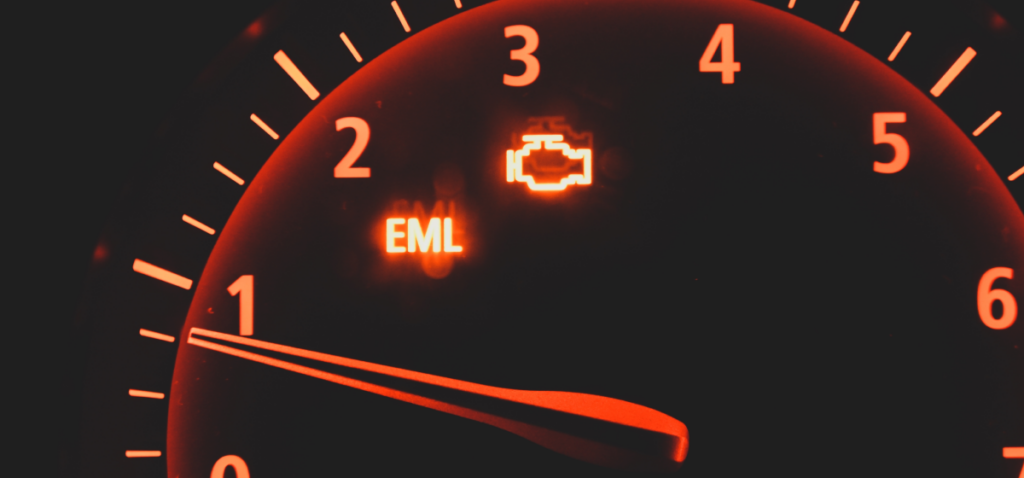
Looking after your car comes in 2 parts: quick checks you can do yourself, and a full service at a garage. This guide covers both, starting with the checks you can do on your drive.
FLOWER check
The FLOWER check is a car maintenance checklist to help you remember all the things you need to look at to make sure your car is good to go.
1. Fuel
Check how much fuel you’ve got every time you get behind the wheel. We’ve all been there. You’re mid journey, you glance at your dashboard and your fuel warning light is on. Then it’s a mad dash to the nearest petrol station. Avoid that panic and check your fuel before you set off.
How much fuel is left when the light comes on?
Generally, your fuel warning light will turn on when there’s around 10% fuel left. This means you’ve probably got around 30 to 50 miles left in the tank. It’s different for every car but should be enough to get you to the nearest petrol station.
2. Lights
It’s a good idea to check your lights at least once a fortnight as part of your car maintenance. Here’s a checklist to make sure you don’t forget any:
- Side lights
- Headlights
- Fog lights
- Brake lights
- Rear lights
- Tail lights
- Indicators
- Number plates
How to check lights on a car?
It’s much easier to do this if you’ve got a friend who can help out. Ask someone to do a walk round of your car while you turn on each light one by one. If no-one’s around, try and park near somewhere reflective like a window so you can check your rear lights. Or you can drive and reverse up close to a wall to check your front and rear lights.
3. Oil
Incorrect oil levels can damage your car so it’s a good idea to check your oil levels at least once a month.
How to check your engine oil?
Before you dive in and open the bonnet of the car, check your vehicle handbook. Some newer cars have changed from the manual dipstick check to an electronic oil monitor. But if you need to manually check engine oil levels, here’s how:
- Make sure you’re parked on flat ground; otherwise, you’ll get a false reading
- With the car’s ignition switched off, open the bonnet and look for the oil dipstick. It normally has a brightly coloured hoop on the top
- Pull it out and wipe away any excess oil on it with a tissue
- Replace the dipstick into the tube and pull it out again
- Check where the oil line is in relation to the oil level indicators (it will tell you what these are in the vehicle handbook)
- If the oil is between the 2 indicators, then you’re good to go. If the oil level is close to or below the minimum indicator, then you’ll need to add oil to the car
4. Water
When we say ‘water’, we’re talking about checking all the liquids in your car. That includes engine coolant (antifreeze), engine oil levels, brake fluid and washer fluid.
How to check engine coolant?
Engine coolant helps the engine to stay cool while you’re driving. It’s also known as antifreeze because it also stops the engine from freezing. It basically keeps the water in your radiator from reaching extreme temperatures.
Most newer cars will have a sealed cooling system and won’t need topping up; but even these engines should still be checked regularly for leaks.
Checking your engine coolant is pretty simple, just look at the coolant level in the tank and see if it’s between the minimum and maximum indicators. If it’s below the minimum required level, it will need topping up with antifreeze solution and water. Follow the instructions on the bottle of antifreeze to make sure you use the right ratio of solution to water.
How to check brake fluid?
- Find the ‘brake master cylinder reservoir’. This is basically just a plastic canister with a lid on that holds your brake fluid. It’s usually up near the firewall, but you can check your manual if you’re having trouble finding it
- The reservoir will have a clear ‘full’ line or minimum and maximum level indicators. If it’s not near the ‘full line’ your brake fluid will need to be topped up. Brake fluid is toxic so always go to a mechanic to get it topped up
- Brake fluid should be a light brown colour. If it’s a dark colour it will need to be replaced by a mechanic
Where do I put windscreen wash in my car?
Your windscreen washer bottle is located under the car bonnet. The position of the washer bottle will vary depending on your car, but you’ll be able to spot it because the cap will have a symbol with a windscreen and water droplets on it. If you’re struggling, check your car handbook.
You can pick up screen wash for around £5 from most garages and supermarkets. It’s a good idea to pick up antifreeze screenwash in winter to avoid it freezing over. Check out our full article on driving in winter to prepare your car for the cold months.
To fill up your windscreen wash, take the cap of the washer bottle and pour in your screenwash, just make sure you don’t go over the full line. Then screw the cap back on and you’re done.
5. Electrics
All cars need a battery to run. Battery problems are one of the main causes of breakdowns so you’ll want to keep your car battery healthy.
How to check your car battery?
To be honest, this may be a good one to hand over to the professionals. You can get free checks at most retail autocentres.
But if you have a voltmeter handy and want to get stuck in, this is how you check the battery yourself:
- Check your car manual because this will give you guidance for your specific car
- Remove the battery’s positive terminal cover and connect the positive lead of the voltmeter (it’s usually red)
- Attach the negative voltmeter lead to the negative battery terminal
- Check that the voltmeter presents a voltage of between 12.4 and 12.7; anything lower than this means your battery needs to be charged
- A reading higher than about 12.9V straight after a drive is usually surface charge. Switch your headlights on for a minute, then check again for a true reading
How long do car batteries last?
Car batteries usually last 3 to 5 years. Many modern cars have a battery warning light on the dashboard to tell you when there’s a problem. Or if your engine is taking longer to start than usual, it may be a sign that it’s time for a new battery.
How to keep your car battery from dying?
Car batteries naturally lose some of their charge overtime. The less you drive, the more likely your battery will go flat. But there are some things you can do to help:
- Start the engine once a week and allow it to run for 15 minutes
- Take your car out for a drive on essential journeys
- Depress the clutch when you start the engine to help ease the strain
6. Rubber
The final check is for rubber. The legal minimum tread depth for car tyres is 1.6mm, across the central three-quarters of the tyre and all the way around it. Tread depth is the depth of the grooves on the tyres that have contact with the road. It’s important for grip, particularly when you’re driving in winter.
How to check your tyre tread depth?
- Put a 20p into the tread grooves on the tyre
- If you can’t see the outer band of the coin, your tyres are above the legal limit
- If the outer band is visible, they may not be safe and you’ll need to head to your local mechanic
Full car service checklist
Your FLOWER checks keep on top of the basics between visits to the garage. A full service goes much further, and it’s one to leave to the professionals. Modern cars are computerised, and most of us don’t have the tools or skills to do everything safely.
What is a full service?
A full service is a detailed check of your car’s condition, done by a garage. It looks at general wear and tear, the brakes, the engine and pretty much every other part of the car.
Keeping up with servicing helps your car stay safe and run smoothly. It can also improve fuel efficiency and handling, and spotting problems early could save you money on bigger repairs.
What does a full service include?
A full service can cover 50 or more checks and adjustments. It varies by car and by garage, but you could expect it to include:
- Engine oil and oil filter change
- Lights, tyres and exhaust
- Bodywork
- Brakes and steering
- Fluid and coolant levels
- Suspension
- Car battery
- Drive belt
- Hoses and vacuum lines
- Air filter replacement
- Fuel filter replacement
- A stamp in your service book
How often should you get a full service?
As a rough guide, once a year or every 12,000 miles, whichever comes first. The right interval depends on:
- The make and model of the car
- How old your car is
- How many miles you do
- How it’s used, including the kind of roads you drive on
Your car’s handbook or service book will give the manufacturer’s schedule.
When is my car service due?
Most modern cars show a reminder on the dashboard when a service is due. It might say ‘service’ or ‘service due’, or show a spanner symbol.
If your car doesn’t do this, check the service book for the date of the last service. Or ask the garage that last serviced it. It’s a good idea to put a reminder in your diary each time you get a service, so you know when to book the next one.
How long does a full service take, and what does it cost?
A full service usually takes around 3 hours, so if no major problems turn up, you should get your car back the same day. Many garages ask you to drop the car off in the morning and call you when it’s ready.
The price depends on the size of your car and the garage you use, so it’s worth comparing quotes from a few local garages.
Is a full service the same as an MOT?
No. An MOT is a legal requirement that checks your car is roadworthy, but it doesn’t include the in-depth wear and tear checks of a full service. Our guide to MOT checks explains what the MOT covers.
What is a full service history?
A full service history means a car has been serviced in line with the manufacturer’s schedule, with the stamps and receipts to prove it.
It matters when you sell. Even a car in good condition can be worth less without a service history. It can also help if your car is written off, because it gives your insurer evidence of the car’s condition when they value it.
What if your car fails your car maintenance checklist?
If you’re worried about the safety of your car, we’d suggest taking your car into the garage for a mechanic to take a look. Sometimes it’s best to just leave it to the pros.
If you need to borrow a friend’s car while yours is in the garage, see our temporary car insurance. You could be on the road in minutes, and you pay only for the time you need.