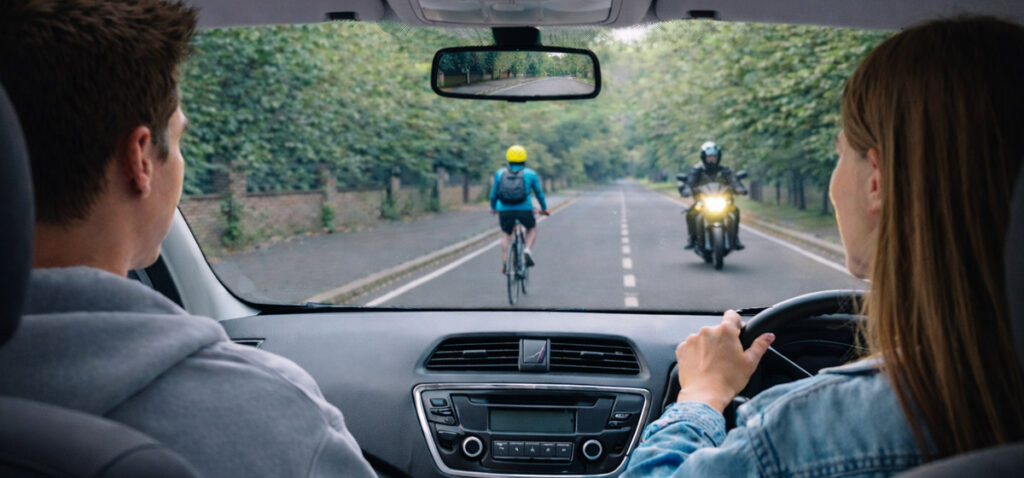
Have you lost confidence driving?
If you don't feel very confident driving, it doesn't mean you have to get off the roads. There are plenty different ways to regain that confidence so you can get yourself from A to B!


If you’re not confident in driving anymore, we can hopefully help you with those nerves.
Regardless of how much experience people have as drivers, it’s always possible to lose confidence. If you’re nervous about getting back behind the wheel, or know someone who is, you may find some of this information useful. Here we’ll look at some of the reasons people may have lost the confidence to drive and potential techniques that could help. If you’re still learning, we’ve also got tips on building your confidence as a learner driver.
Why have I lost confidence in driving?
There are numerous reasons why people may lose confidence in driving, or find that it brings about anxiety. Many people find it hard to get back in the driver’s seat, or even in a car, after being involved in an accident. Some people leave it too long between bouts of driving and may just need a little push. And some are simply more prone to anxiety than others.
Other reasons can include stress, moving to an unfamiliar area, or failing a driving test, perhaps more than once.
Knowing the reason why you may have lost confidence can be helpful in knowing how to tackle it. But it’s not something we can always put our finger on.
How can I be less nervous when driving?
There are a few different strategies you can employ to help with confidence issues around driving. Some may suit you better than others, depending on why you’re lacking in confidence, or what you respond to better more generally. Hopefully you’ll find one that works for you!
Take some refresher lessons
If you’ve already passed your test, there’s no harm in going back to basics to help get behind the wheel. Whether you’ve grown unfamiliar with the mechanics of driving, or if you just need a little push from someone who really knows what they’re doing, having a few lessons can set you back on the right course.
If you had a positive experience with your original driving instructor, why not drop them a line? Or you could look into refresher driving lessons from The AA, which has qualified driving instructors available nationwide.
Get the practice in
Sometimes, worrying about something is worse than actually doing it. Then it’s a matter of grasping the nettle. Put the practice in and it’ll make a big difference to your confidence. With a little time, you’ll feel more comfortable in the driving seat, and that will help you get back to the level you were once at.
It might be an idea to get someone you trust and are comfortable with to accompany you. If you’re still learning to drive, it’s recommended to get additional practice with a friend or family member anyway.
A great way to get some practice in would be to look at borrowing a parent’s car, or maybe a friend who is very confident in driving. This way, you can practise with someone that you’re really comfortable with.
If you need to borrow their car, why not check out Veygo’s temporary car insurance? That way, you can get cover for the time you need to get that practice in.
With this in mind, check out our FAQ for parents helping a learner driver.
Make it easy on yourself
Not everyone will benefit from jumping in at the deep end. It’s OK to ease yourself back into driving gradually.
If you want to ease back into practice, pick a quiet time of day and choose a nice, quiet area. A residential street or an empty car park would be ideal. Check the weather to make sure it’s pleasant for driving, and plan it so you don’t get caught in rush-hour or school-run traffic.
Practise simple manoeuvres to begin with, and don’t take on anything too taxing. If it gets too much, pull over somewhere safe to take a break. Take deep breaths in and out, breathing from your stomach, not your chest. Make sure you’re fully calm before you set off again.
Whether you’re with an instructor, family member, or friend, it’s OK to ask them to take a time out. Make sure things are going at your speed. And if it really gets too much, it’s fine to ask them to take over.
Get into the right head space
A good frame of mind is important for all drivers, even those with lots of experience. The best time to drive is when you’re well rested and relaxed.
Try to avoid driving or booking your lessons too early in the day. Not only is this useful for dodging the morning traffic, but it gives you a chance to ease into your day. Have a nice breakfast and get ready in your own time. This should have a calming effect on your nerves. You might even consider relaxation techniques such as meditation.
If your confidence has been knocked because you were in a car accident, for example, it may be worth seeking extra help. If you speak to your doctor, they may be able to help. One potential avenue is counselling, which is available on the NHS and can be worthwhile if you’ve had a traumatic experience.
You could also look into specialist post-collision driving courses. Some driving instructors will be specially trained to assist drivers in regaining their confidence following an accident, regardless of who was found to be at fault.
Building confidence as a learner driver
If you’re still learning, confidence comes from preparation and plenty of time behind the wheel. Here’s what helps most.
Know the basics before you drive
Get to know The Highway Code, including traffic signs, road markings and speed limits. If you practise in a different car from your instructor’s, take a few minutes to get familiar with its controls before you set off.
Practise little and often
Short, regular sessions build momentum better than long gaps between drives. The DVSA recommends around 22 hours of private practice on top of your lessons.
Pick a supervisor who’s patient and keeps you calm. By law they must be at least 21, qualified to drive the type of car you’re learning in and have held their full licence for at least 3 years. GOV.UK has the full rules on practising with family or friends.
Once you’re comfortable, try practising in different conditions, such as rain or darker evenings, so less feels new when you’re driving on your own later.
Work on the key skills
- Steering and control, so you can turn smoothly and stay in your lane
- Parking and manoeuvres, which can come up in your test
- Road positioning when turning and overtaking
- Speed control, with smooth acceleration and braking
Prepare for your test
If you can, drive some of the roads around your test centre so the area feels familiar, and ask your instructor for a mock test to find out what still needs work. On the day, take deep breaths and trust your training. Everyone makes small mistakes. What matters is how you recover and carry on driving safely. Our guide to preparing for driving test day has more tips.
Habits that help you feel calmer on the road
Whether you’ve just passed or you’re getting back on the road, a few simple habits can make driving feel calmer and safer:
- Stay focused. Put your phone away and don’t eat at the wheel, so you can react quickly to hazards.
- Leave a safe gap. Keep a good distance from the car in front, so you have time to react if it stops suddenly.
- Check your mirrors. Always check them before you change speed or direction, so you know what’s around you.
- Don’t rush. Give yourself plenty of time for every journey. Feeling hurried is a quick way to feel stressed.
How we can help
Whether you’re a nervous driver or a nervous learner driver, Veygo may have the solution for you. We have temporary car insurance for those nervous drivers. We also offer learner driver insurance, so you can get the practice in while you’re still on your provisional licence.
Finally, we offer a guide for those learning to drive with anxiety.