6 things to think about when choosing a driving instructor
Choosing a driving instructor is an important part of learning to drive. Here's a couple of things to consider to help you find the right person for the job.


As the saying goes, “a student is only as good as their teacher”, which is why choosing a driving instructor is kind of a big deal. You’re putting all your trust (and hard earned cash) into this person, so it’s important that they’re, you know, good. Keep reading to find out how to find the best driving instructor for you.
How to choose the best driving instructor?
A quick Google search will bring up loads of options for driving instructors in your local area. But it’s probably not a good idea to go with the first name that pops up. Like with any job, some instructors are totally brilliant and others are not so good. We’ve put together a list of 6 things to think about when choosing a driving instructor.
1. Is your driving instructor qualified?
To make sure you’re getting top quality teaching, it’s important to make sure you find an approved driving instructor (ADI). This means your instructor is up to date with all the knowledge and expertise they need to help you pass your test and become a safe driver. You can find Approved Driving Instructors near you on the DVSA website.
If you want a lower-cost option you could opt for a potential driving instructor (PDI). A PDI is someone who has started training to become an ADI. Once they’ve passed their first 2 qualifying tests (theory and hazard perception, then driving ability) and been given a trainee licence, they can start charging for lessons. But, heads up that PDIs have not passed their test on instructional ability. The best driving instructors will generally have loads of experience, so it may be worth going with a fully qualified ADI if you can spare the cash.
You can spot whether your instructor is fully qualified by looking at the badge in their windscreen. A PDI will have a pink triangle, whereas an ADI will have a green octagon.
How to spot an illegal driving instructor
By law, only an ADI or a trainee with a valid licence can charge for driving lessons. Anyone else teaching for money is breaking the law, even if they have a branded car, a roof sign and dual controls.
Learning with an illegal instructor puts you at risk. The teaching may be poor, the car may not be properly insured or roadworthy, and they won’t have passed the background checks that DVSA carries out on registered instructors.
To protect yourself:
- Check the badge every time. It should be on display in the windscreen and show the instructor’s name, photo, expiry date and instructor number. If a different instructor covers a lesson, check theirs too.
- Use the official directory. Search the DVSA’s list of driving instructors. Listing isn’t compulsory, so if you can’t find someone, contact DVSA with their name and instructor number to check.
- Be wary of very low prices. If a deal looks much lower than other instructors in your area, ask why.
- Report anything suspicious. You can report an illegal driving instructor to DVSA.
2. Have they got a good reputation?
No amount of Google searches can beat word of mouth, just ask a few mates who they used. It takes time and effort to build a good reputation. If you’ve heard lots of good things about an instructor, chances are they’ve taught and helped many learners to pass their test before you.
Do you know anyone who is learning to drive or has recently passed their driving test? Why not ask them if they’d recommend their driving instructor? And if you’re the first of your mates to learn to drive, read public reviews on sites such as Trustpilot, Free Index or Facebook. The best driving instructors will have loads of top notch reviews. Recommendations and reviews are a great start, but still check the instructor’s badge before your first lesson.
3. Where are they based?
If you live in a bigger town or city, you’re probably spoilt for choice when it comes to choosing a driving instructor. However, if you live in a more rural area your options may be more limited. If you can’t find anyone you’re happy with, don’t be afraid to look at instructors in the next town or village. They may be far better suited to your personality and learning style.
4. Best driving instructor car?
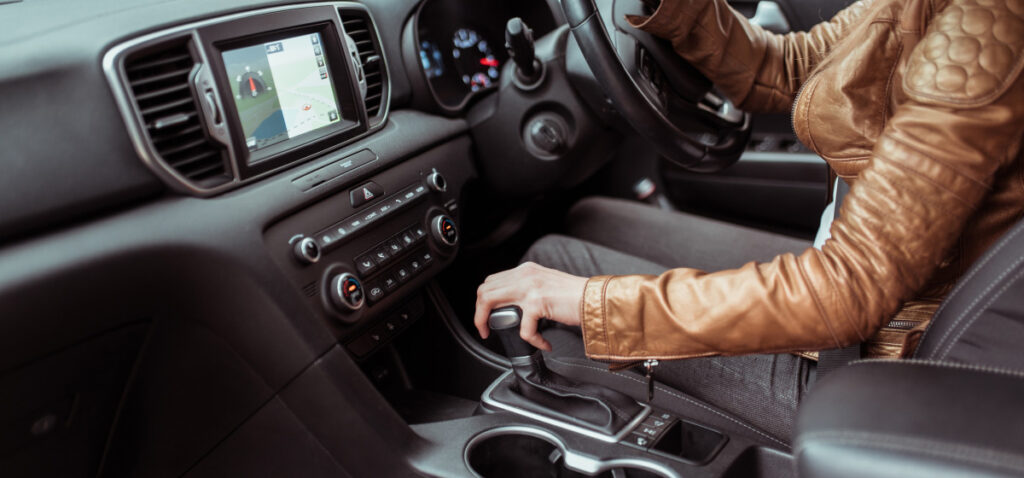
Do you want to sit your test for an automatic or manual licence? It’s important that you choose an instructor with the correct transmission. A manual licence lets you drive both manual and automatic cars, while an automatic licence only covers automatics.
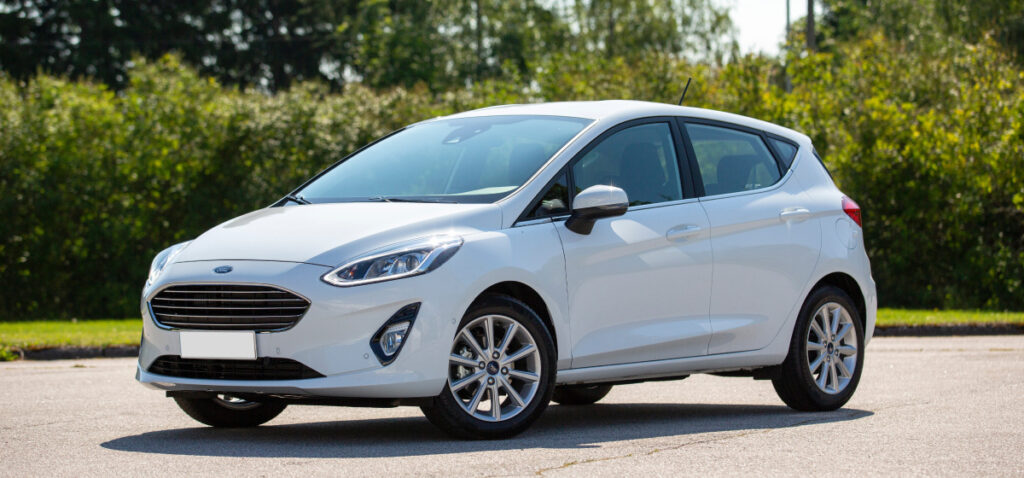
Do you already know which car you’re likely to drive when you pass your test? If so, it may be a good option to find an instructor with the same or similar car. This way you can get used to your car before you hit the road alone. Instructors tend to use popular small hatchbacks for this very reason.
If you’re planning on buying a car after you pass your test but you’re not sure what yet, check out our guide on how to choose your first car.
5. The cost of driving lessons
There’s no way around it. Learning to drive is expensive. Instructors set their own prices, and the cost of driving lessons varies depending on location and instructor. Worried about the cost of learning to drive? Our guide to the cost of learning to drive breaks down the full bill and has tips for keeping it under control.
Do your research and look around for discounts and special introductory offers. You’ll often find it’s cheaper to buy a block of lessons than to pay each time, but make sure you’ve had at least one lesson with your instructor before committing.
But remember, going with a very low-priced instructor won’t necessarily mean you’ll end up saving money. A bad driving instructor could cost you more in the long run if you need more lessons or end up retaking your test a few times. Find yourself a qualified, experienced driving instructor. They’re worth every penny.
6. Do you get along?
Don’t get us wrong, your driving instructor doesn’t have to be your best mate. We’re not expecting you to be having singalongs and stopping for ice cream on your driving lessons. Having said that, you’re going to be spending at least an hour a week in a car with this person. It’s important that you get along and feel comfortable with one another.
Learning to drive is challenging, so you want a driving instructor that can communicate well, is supportive and knows their stuff. Before committing to a block of lessons, it’s a good idea to get an introductory lesson to get to know the instructor, their teaching style and their car.
If you find you don’t gel with your instructor, or their teaching style doesn’t suit you, don’t be afraid to put lessons on hold and look for a new one. Learning to drive should be a positive experience, so don’t stick with an instructor who grinds your gears.
What questions to ask a driving instructor?
When choosing a driving instructor, it’s a good idea to ask some questions to make sure they can offer everything you need. Here’s a list of questions that are worth asking to help you make your decision:
- Are you an ADI or PDI?
- How long have you been an instructor?
- How many hours of lessons do you recommend a week?
- How flexible are you with lesson times?
- How long does it usually take your students to pass their test?
- Do you have any offers on block booking lessons?
- How familiar are you with the local driving test routes?
- Will I be driving the same car in every lesson and am I able to take my test in this car?
Find the best driving instructors
So, you know how to choose a driving instructor. You’re one step closer to holding that all important full licence. Wondering what else you need to do? We’ve written a guide on getting started with learning to drive. And if you’re eager to pass quickly, check out our post on how to pass your driving test first time.
Found the perfect instructor and feeling ready to practise outside your lessons? Check out our learner driver insurance. With cover for up to 180 days, you can get all the practice you need under your belt before test day.