What are car insurance groups?
A simple guide to making a smarter first car choice

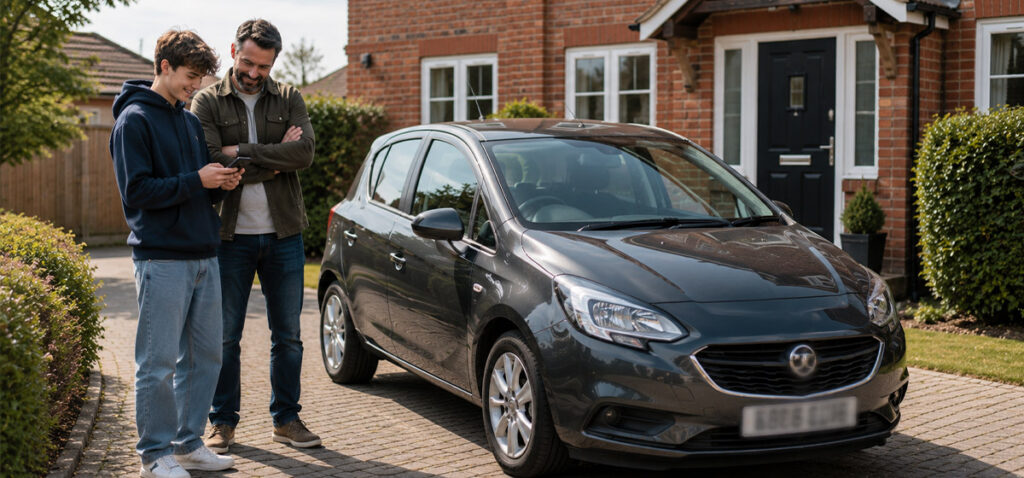
As you start the search for your first car, you might come across something called an ‘insurance group’.
It sounds technical, but the idea is simple.
Insurance groups can help you understand whether a car is likely to be cheaper or more expensive to insure. For learners and newly qualified drivers, that can be really handy in comparing your options.
Choosing the right first car is not just about what looks good or how much engine you can get for your money. It is about finding a car that helps you unlock independence safely, affordably, and with confidence.
How insurance groups work
Cars are commonly placed into insurance groups from 1 to 50.
As a general guide:
- Cars in lower groups are usually cheaper to insure
- Cars in higher groups are usually more expensive to insure
This is not always guaranteed as your personal insurance price will still depend on things like your age, address, driving experience and how you use the car.
Insurance groups are there to be a helpful starting point – acting as a first filter in helping you spot the cars that may be more affordable to own before you get too far into the buying process.
Why insurance groups matter for new drivers
New drivers face higher insurance costs because they have less experience on the road.
That is why the car you choose can make a big difference.
A lower insurance group car may help make your first step into independent driving more affordable whereas a higher insurance group car may cost more because it is more powerful, more expensive to repair or considered a higher risk.
Understanding insurance groups helps you make a more informed choice when buying your first car, and save you from any expensive surprises down the line.
What affects a car’s insurance group?
Performance: Cars with more power, faster acceleration or higher top speeds are often placed in higher groups.
Repair costs: As repair costs play a big part in insurance claims, if a car is expensive to repair, or parts are harder to find, this can affect its group.
Car value: More expensive cars can also cost more to replace or repair, so they may sit in higher groups.
Safety and security: Safety and security features can influence a car’s group too. Some features may help reduce risk, while more advanced technology can sometimes be more expensive to fix.
Modifications: Modified cars are often more expensive to insure. Even changes that seem small may need to be declared to your insurer. For a first car, keeping things standard is often the simplest route.
The same price does not mean the same insurance cost
Two cars might both cost £5,000 to buy, but they could have very different insurance costs.
One might have a smaller engine, lower repair costs and sit in a lower insurance group. The other might be more powerful, sportier or more expensive to repair.
It’s worth checking the insurance group and getting quotes before you buy as the car’s price tag is usually only the beginning.
Are insurance groups the only thing that matters?
No. Insurance groups are useful, but they are only one part of how insurance is worked out.
Your quote can also depend on:
- Your age
- Where you live
- How long you have held your licence
- Where the car is kept overnight
- Your mileage
- How you use the car
- The type of cover you choose
- Whether there are any named drivers
- Your claims history
So, a lower insurance group can be helpful, but it is still important to check actual insurance prices for the car you are considering.
How to use insurance groups when choosing your first car
Here is a simple way to use insurance groups when comparing cars:
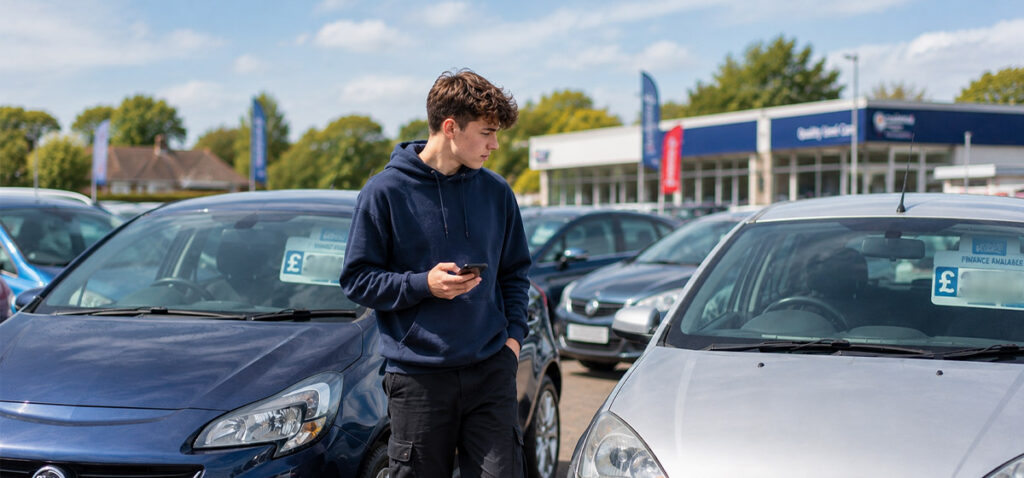
- Make a shortlist of cars you like.
- Check the insurance group for each car.
- Remove any cars that look too expensive or powerful.
- Get insurance quotes for the exact car.
- Compare the full cost, not just the purchase price.
This helps you choose with your head as well as your heart.
Final thought
Insurance groups are not there to take the fun out of buying your first car.
They are there to help you make a more informed decision.
The right car can help you unlock independence, build confidence and feel more in control as a new driver.
Before you buy, check the insurance group, compare quotes and choose a car that supports the kind of driver you want to become.