Urban vs Rural driving: What changes behind the wheel?
Town streets and country lanes demand very different skills. Here’s how to adapt your driving style and feel confident in both.

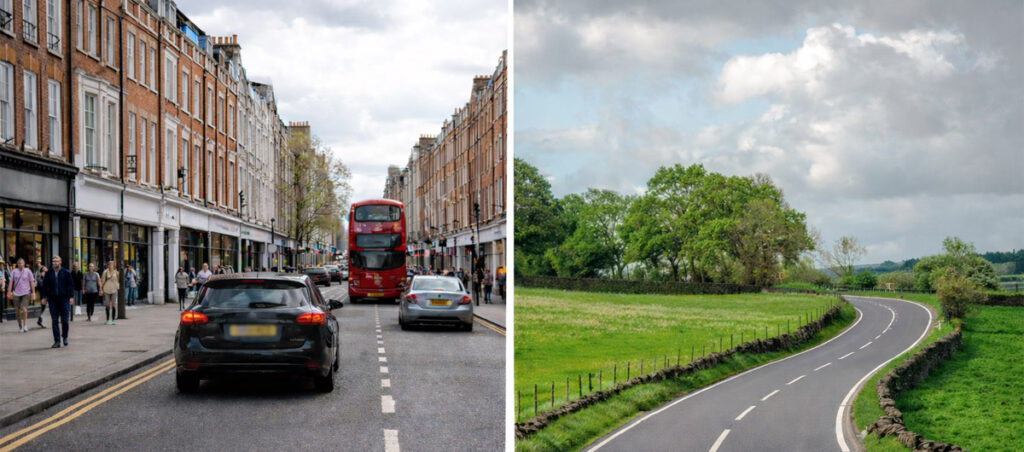
Driving in town and driving in the countryside can feel like two completely different experiences. One comes with busy junctions, cyclists and constant stop-start traffic. The other brings narrow lanes, sharper bends and fewer streetlights.
For learners and newer drivers especially, switching between the two can take some adjustment. The good news is that once you understand what changes, it becomes much easier to feel confident in both.
What urban driving is really about
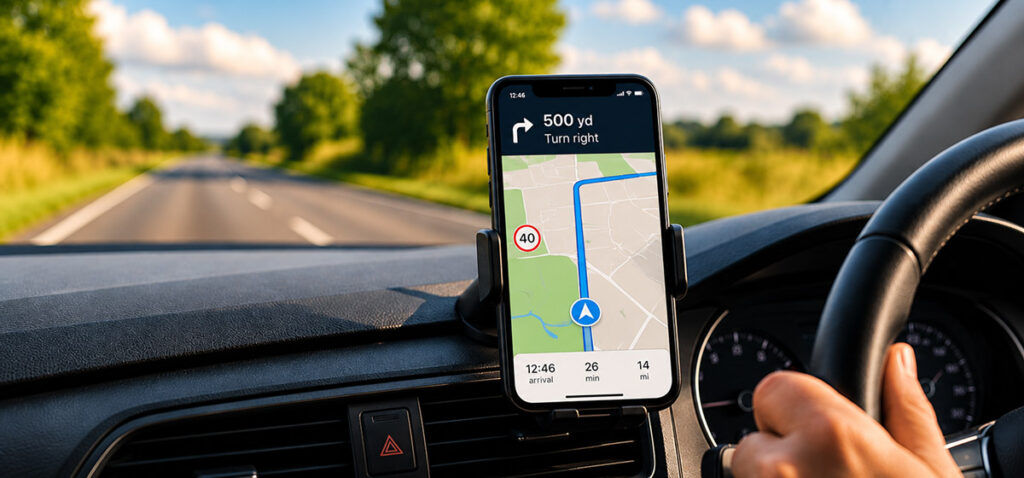
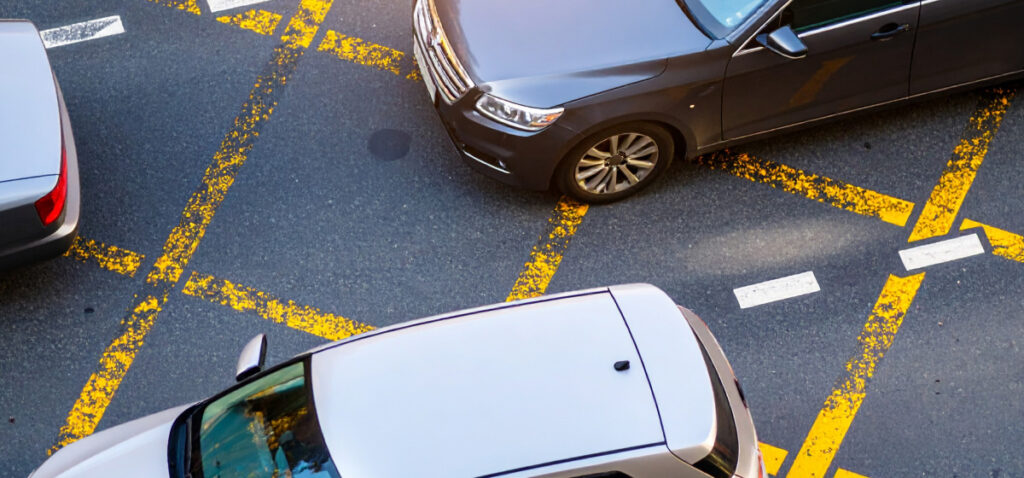
Urban driving is all about awareness. In towns and cities, there’s a lot happening at once: traffic lights, buses pulling out, pedestrians crossing unexpectedly, parked cars, cyclists filtering through and sat nav instructions arriving every few seconds.
The biggest challenge is often processing lots of information quickly.
You’ll usually need to:
- Check mirrors more frequently
- Keep a safe distance in stop-start traffic
- Anticipate pedestrians stepping into the road
- Watch for cyclists and motorbikes around junctions
- Stay alert for sudden lane changes or buses stopping
Because speeds are generally lower, urban driving often feels less intimidating at first. But the higher number of hazards means concentration needs to stay high.
Patience matters too. Traffic builds quickly, and rushing decisions in busy areas can lead to mistakes.
How rural driving feels different
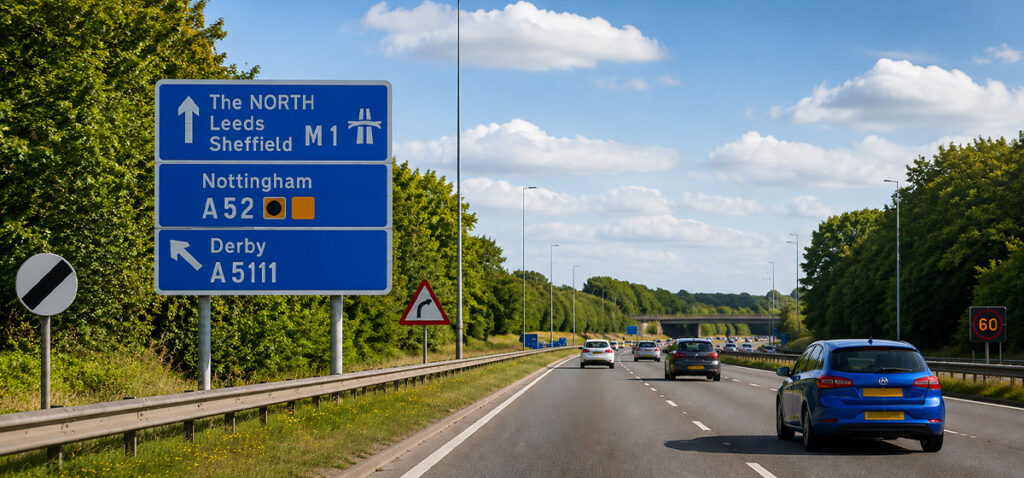
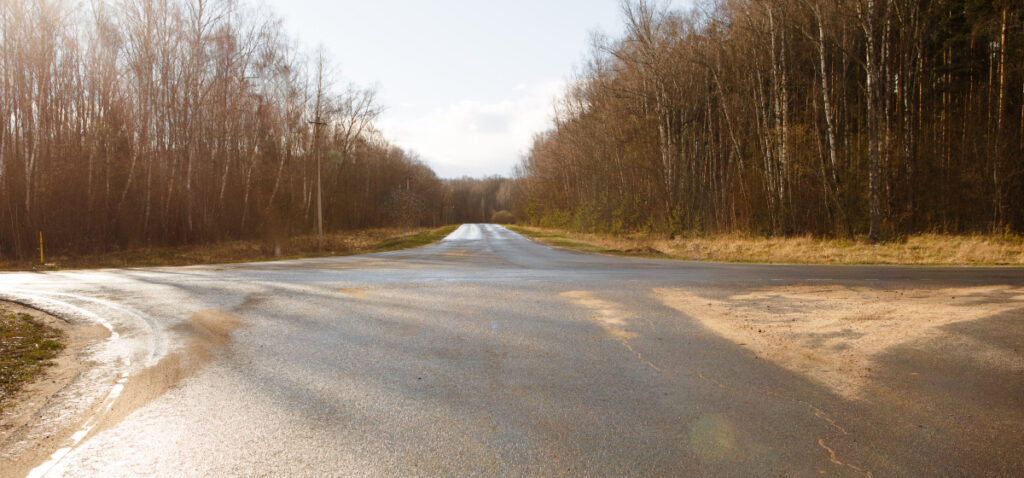
Rural driving is often quieter – but that doesn’t always make it easier. The roads may be emptier, but they usually demand a different kind of concentration.
You’re more likely to face:
- Narrow country lanes
- Sharper bends with limited visibility
- Uneven road surfaces
- Mud, gravel or standing water
- Animals, cyclists or horse riders
- National speed limit roads that still require caution
For newer drivers, speed can be the biggest adjustment. Even though the national speed limit may apply, that doesn’t always mean it’s safe to drive at that speed. On winding country roads, the safest speed is often much lower.
Reading the road ahead becomes especially important, because hazards can appear much more suddenly than in town.
The confidence shift between the two
A lot of drivers find they naturally prefer one environment over the other. Some people feel more comfortable in towns because speeds are lower and the roads are familiar. Others prefer rural roads because there’s less traffic and fewer junctions.
The challenge often comes when switching between the two on the same journey. For example, you might leave a city centre, build confidence on faster roads, then suddenly need to navigate narrow country lanes.
That’s why adaptability is such an important driving skill. The more varied your driving experience becomes, the easier it is to stay calm and adjust your approach depending on where you are.
Tips for handling both with confidence
A few simple habits can help:
In urban areas
- Slow down early approaching junctions
- Expect the unexpected from pedestrians and cyclists
- Use mirrors frequently
- Be patient in queues and traffic
In rural areas
- Reduce speed before blind bends
- Be prepared to stop for oncoming traffic on narrow roads
- Watch for wildlife, mud and cyclists
- Don’t treat the speed limit as a target
Becoming a more confident all-round driver
The best drivers aren’t just confident in one environment – they know how to adapt. Learning how urban and rural roads differ helps you build better awareness, stronger judgement and more confidence behind the wheel.
And the more experience you get in both, the easier it becomes to read the road, manage hazards and enjoy the drive wherever you’re headed.
Wherever you’re driving, get a quote and see how learner driver insurance can help you feel more confident behind the wheel.