The cost of learning to drive (and how to keep it under control)
The cost of learning to drive has jumped 73% in recent years. We break down where the money goes and how to manage the total bill.


Use our cost of learning to drive calculator here.
Learning to drive has always been a milestone. But in recent years, it’s also become a significant financial commitment.
Recent research commissioned by Veygo shows that the average cost of learning to drive now stands at £939 – a 73% jump compared to five years ago.
For many families, it’s become a big ‘hidden’ expense of the late teenage years. And with nearly 8 in 10 parents contributing towards lessons and tests, it’s not just learners feeling the impact.
So where is the money going – and are there ways to manage the cost more effectively?
Where the money adds up
The biggest expense remains professional driving lessons.
Parents of learners who passed recently reported spending an average of £517 on lessons alone. In 2020, that figure was closer to £301. And 12% said they spent over £1,000 purely on lessons.
But lessons are only part of the total bill.
On average:
- Theory tests (including resits) cost around £62
- Practical tests (including resits) cost around £118
- Insurance for practice adds roughly £144
- Fuel for supervised driving averages close to £97
Add it all together, and the total reaches £939 – compared to just over £540 only a few years ago.
The resit effect
One of the biggest hidden drivers of cost is retaking tests.
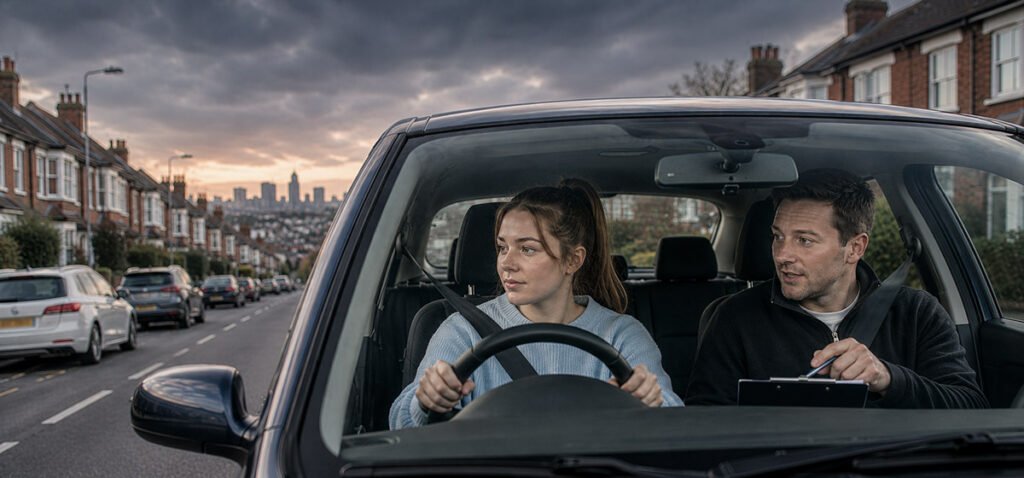
On average, learners resit both the theory and practical test once. While a single resit might not seem significant, it quickly adds up – particularly if extra lessons are needed before trying again.
Industry data shows that learners who combine professional lessons with supervised private practice are around 50% more likely to pass first time. That suggests there may be an opportunity for families to reduce long-term costs – not by cutting lessons, but by supplementing them more strategically.
Why aren’t parents practising more?
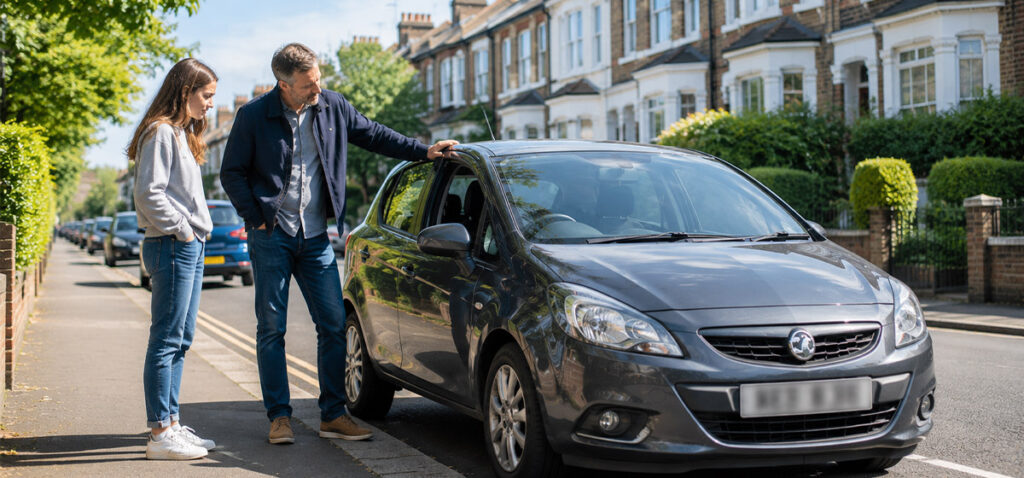
Despite the benefits of supervised practice, parents take their child out just six times on average during the learning process.
That’s relatively low, especially considering some parents admit their child could have passed more quickly with additional time on the road.
There are understandable reasons for this:
- Lack of confidence supervising
- Busy schedules
- Concerns about insurance cover
- Stress or nerves in the passenger seat
But increasing supervised practice could help learners build experience more quickly – particularly in varied conditions such as roundabouts, dual carriageways and parking scenarios.
Practical ways to manage the cost
While no one can control test fees or lesson prices entirely, there are ways to approach the process more strategically.
1. Keep lessons consistent
Long gaps between lessons can slow progress and increase the total number needed. Regular sessions help skills develop faster.
2. Add structured private practice
Reinforce professional lessons with supervised drives focused on specific skills – such as manoeuvres or independent driving.
3. Don’t rush into tests
Taking a practical test before being fully ready increases the likelihood of resits – and extra expense. Mock tests can help identify gaps early.
4. Budget for the full journey
Rather than planning for lessons alone, factor in theory, practical tests, potential resits, insurance and fuel from the outset.
5. Explore flexible insurance options
Short-term or flexible learner insurance can allow supervised practice without committing to long-term policies, helping families only pay for the cover they need.
The bigger picture
At £939 on average, learning to drive is undeniably more expensive than it was just a few years ago. But understanding where those costs come from – and how choices around practice, preparation and insurance influence the total – can make a meaningful difference.
With the right planning and support, learners can build skills efficiently, reduce the likelihood of resits, and avoid unnecessary additional costs along the way. Because while learning to drive may cost more than it once did, the confidence and independence it brings remain milestones worth investing in.
Ready to cover practice driving with flexible learner insurance?