5 road signs drivers often forget
You learned them once - but how many of these road signs are you still familiar with today?


Most drivers learn road signs when they're preparing for their theory test – but over time, it's easy to forget some of the less-common ones. While the most familiar signs tend to stick, others can catch drivers out, especially if they don't come up often in everyday driving.
A quick refresher can help you stay confident and avoid hesitation when you do come across them. Here are five signs we've picked out…
1. National speed limit (what it actually means)
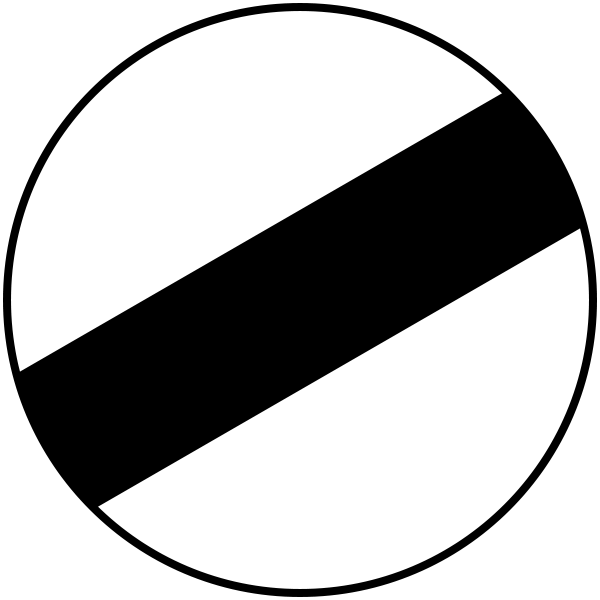
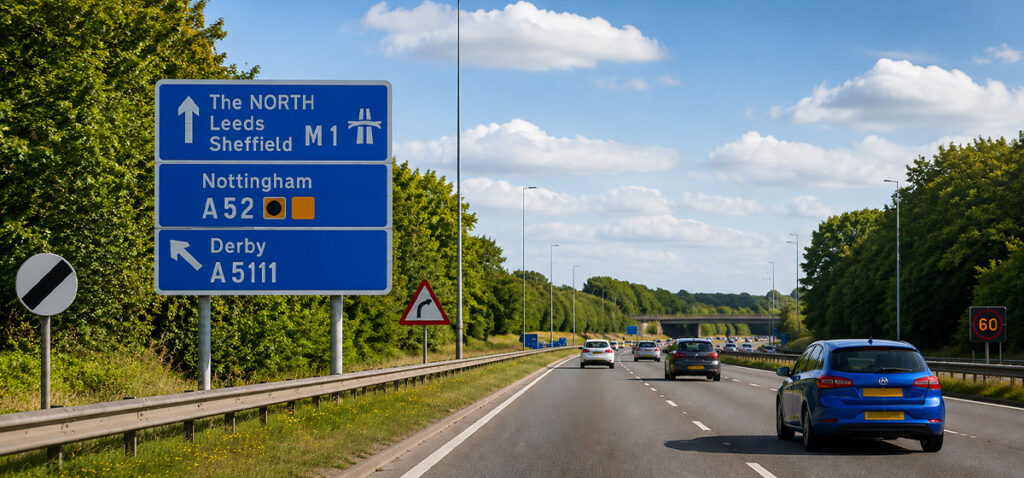
Yes, it's ironic, because the white circle with a black diagonal stripe is actually one of the most common signs on UK roads. But it's also one of the most commonly misunderstood.
Of course, it means the national speed limit applies. But what that actually is depends on the type of road.
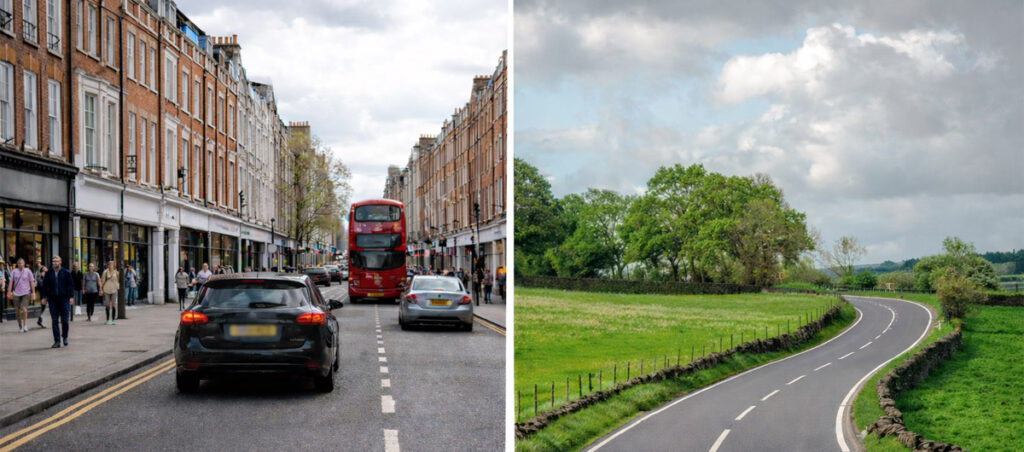
A regular point of confusion is the difference between single and dual carriageways. Single carriageways – even if they briefly open into two lanes for overtaking – are typically 60mph. Dual carriageways are 70mph.
The key difference is the central reservation. If there's a physical divider between traffic travelling in opposite directions, it's a dual carriageway. If not, it's a single carriageway – regardless of how many lanes there are.
2. Minimum speed limit
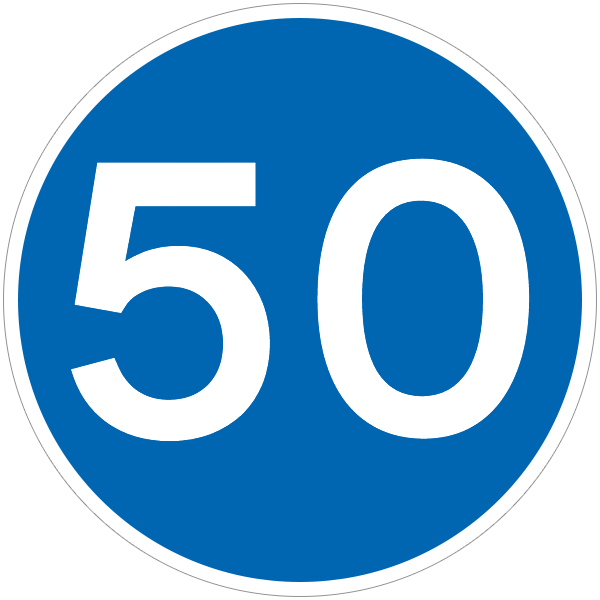
You don't see this sign often, which is exactly why it catches drivers out.
Shown as a blue circle with a white number, it indicates the minimum speed you should be travelling in normal conditions. These are typically used in places like tunnels or certain faster roads where maintaining traffic flow is important.
It's easy to focus on maximum limits, but in some situations, driving too slowly can also be a problem.
3. Soft verges
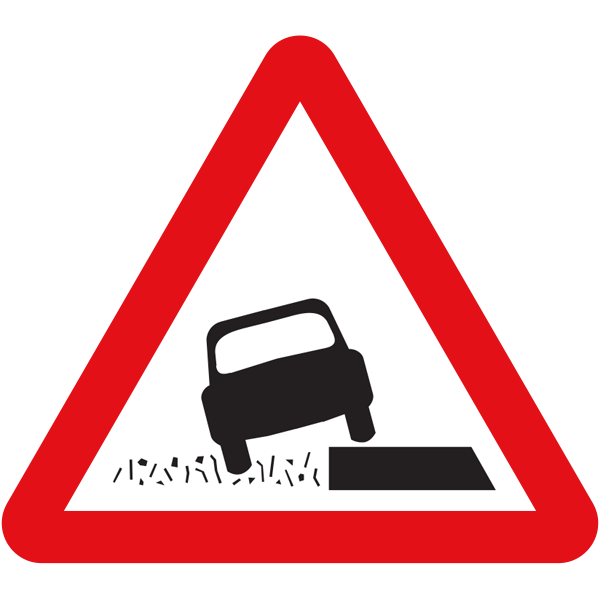
This sign warns that the edge of the road may not be stable enough to support a vehicle.
It's most commonly found on rural roads, where you might need to pull over to let another car pass. Moving too far onto a soft verge can cause the car to lose grip – or even get stuck.
Spotting this sign early helps you judge how much space you really have to work with.
4. Staggered junction
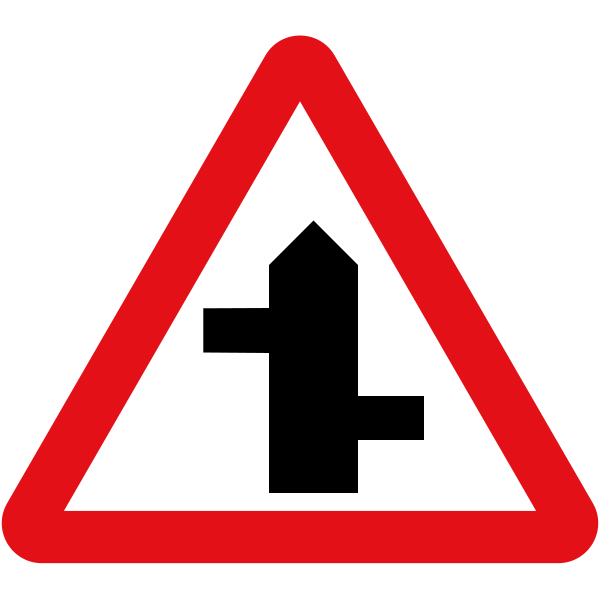
This sign shows two side roads joining a main road at slightly different points.
It's easy to miss, but it's a useful warning that traffic may be crossing your path in two stages – not just from one direction. That can affect how you approach the junction and how much time you allow before moving.
5. Ford
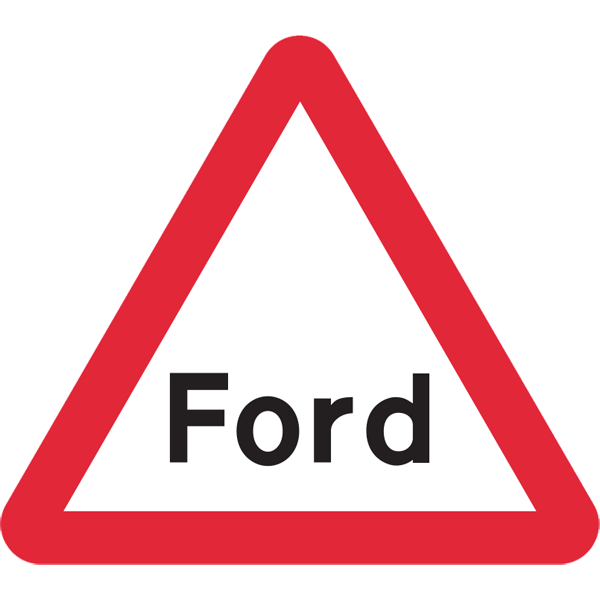
This sign indicates that water flows across the road ahead.
Even if it looks shallow, driving through a ford can affect your grip and braking. In deeper water, it can also damage your vehicle or leave you stranded.
It's a sign that's easy to underestimate – but one that's worth taking seriously when you see it.
Why it's worth remembering them
For most drivers, forgetting a sign doesn't usually lead to immediate problems – but hesitation or uncertainty can affect how smoothly you drive.
Recognising signs quickly helps you:
- Make better decisions
- Maintain steady progress
- Avoid last-minute reactions
It's less about memorising every detail, and more about staying familiar with what you might encounter.
Keeping your knowledge fresh
Revisiting the Highway Code every now and then always helps, but even simply being aware of less common signs – especially when driving somewhere new – can make a difference.
Road layouts, signage and conditions can vary depending on where you are, so staying alert and open to what's ahead is key. The more familiar you are with signs, signals and road layouts, the easier it is to stay calm and make informed decisions.
Ready to get back on the road with cover that fits around you?