How sat navs have changed the way we drive
Sat navs have changed far more than just how we get from A to B - they’ve changed the way we think, react and drive behind the wheel.

There was a time when getting somewhere new meant printing directions, keeping a road atlas in the car, or hoping your passenger could navigate expertly.
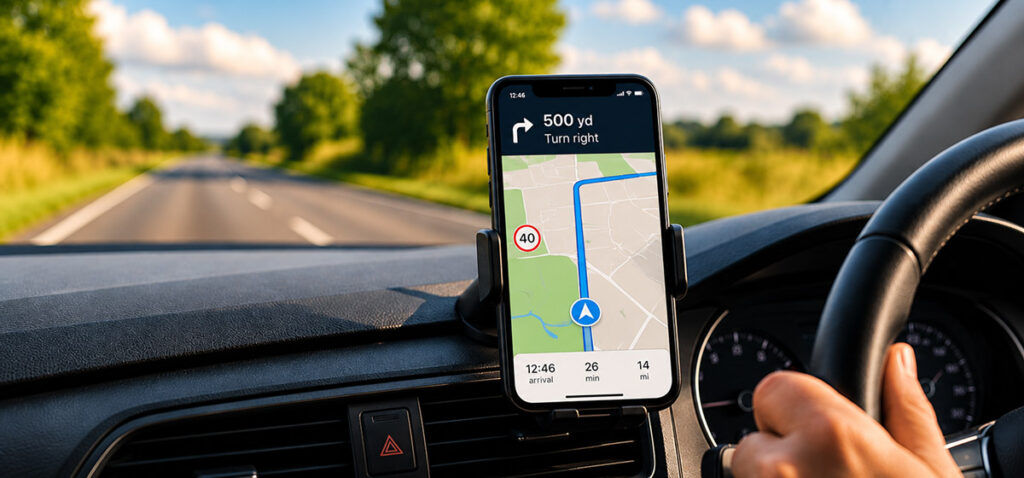
Now, most drivers simply plug a destination into a sat nav and follow the instructions.
Whether it’s built into the car or running through a phone app, sat nav technology has completely changed the way we drive – and for many people, it’s hard to imagine driving without it.
But while sat navs have made journeys easier in a lot of ways, they’ve also changed some of our driving habits too.
Less stress, more confidence
One of the biggest impacts sat navs have had is reducing the stress of unfamiliar journeys.
Drivers no longer need to memorise routes or worry as much about missing turns. Real-time directions make it easier to focus on the road ahead rather than constantly thinking about where you’re going next.
For newer drivers especially, that can make a huge difference to confidence levels.
Driving somewhere unfamiliar used to feel like a much bigger challenge. Now, even if you’ve never visited an area before, a sat nav can guide you turn by turn and help make the journey feel more manageable.
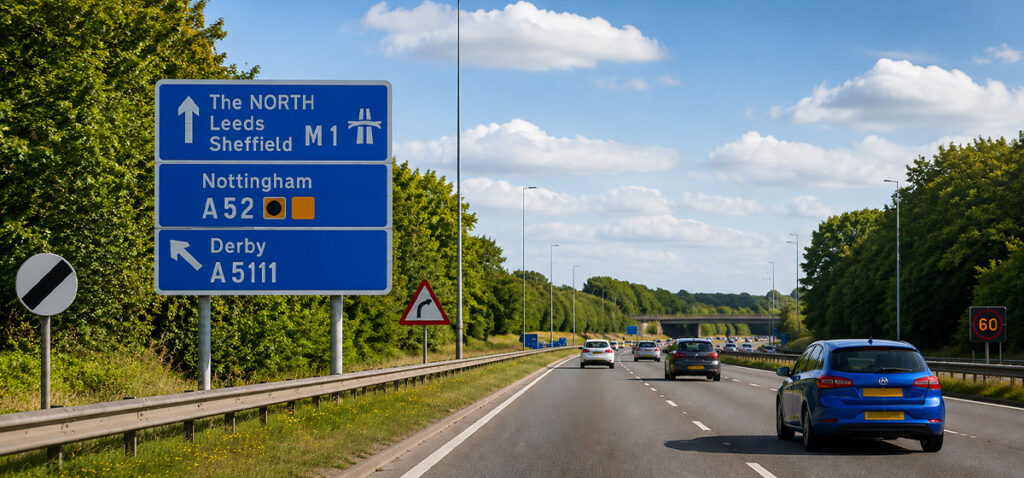
We rely less on road signs
Sat navs have also changed how much attention many drivers pay to traditional navigation cues.
Road signs, place names and landmarks often become secondary once the voice directions take over.
That can be helpful in busy areas where there’s already a lot to process – but it also means some drivers become less aware of the wider route around them.
It’s probably why so many people now instinctively trust the sat nav even when the route doesn’t quite feel right.
Traffic has become more dynamic
Modern sat nav apps don’t just provide directions – they actively respond to traffic conditions in real time.
Apps can now:
- Suggest quicker alternative routes
- Warn about congestion ahead
- Highlight road closures or delays
- Predict journey times more accurately
That flexibility has changed how people plan journeys. Drivers are more likely to adjust routes on the move rather than sticking rigidly to one planned path.
It’s made driving feel more adaptable – but it can also create situations where quiet residential roads suddenly become busy ‘shortcut’ routes during peak traffic.
The downside of over-reliance
Of course, sat navs aren’t perfect.
Most drivers have probably experienced confusing instructions, late turn warnings or routes that don’t feel particularly logical.
Over-reliance can sometimes lead to:
- Last-second lane changes
- Reduced awareness of surroundings
- Panic when directions change suddenly
- Less confidence without navigation assistance
- Paying less attention to the road as a whole
Some drivers can become so focused on following directions that they stop properly reading the wider environment around them – relying more on instructions than their own judgement.
It’s why good driving still relies on observation and judgement, not just following instructions blindly.
Road signs, lane markings and the conditions around you still matter – even when the sat nav says otherwise.
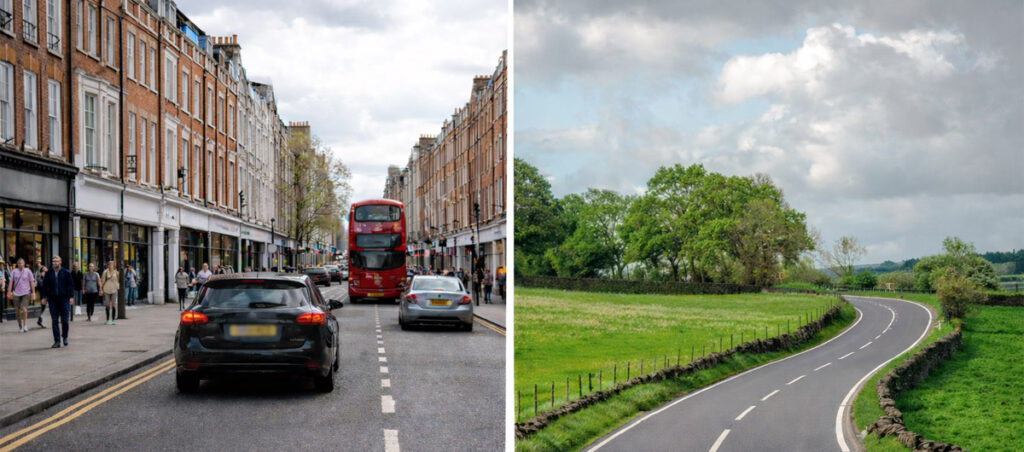
They’ve changed the way we discover places too
Sat navs haven’t just changed navigation – they’ve changed spontaneity.
It’s now much easier to make last-minute plans, take longer drives or explore somewhere new without worrying too much about getting lost.
A countryside café, a coastal town, a scenic route you saw online – sat navs have made those kinds of trips feel far more accessible.
In many ways, they’ve helped make driving feel more flexible and more connected to everyday life.
Finding the balance
Sat navs are incredibly useful tools, and most drivers rely on them every day. But the best approach is usually to treat them as an aid, not a replacement for awareness.
Understanding road signs, planning ahead and staying alert to what’s happening around you are still just as important as ever.
Because while sat navs may have changed the way we drive, confident driving still comes down to making good decisions behind the wheel.
And whether your next journey is carefully planned or completely spontaneous, it helps to have cover that moves with you too. From regular driving to last-minute road trips, Veygo offers flexible insurance options designed around the way people drive today.